6 hr 30 min
Brooks Falls Bear Viewing by Floatplane
- Expert local guide
- Small group
- Skip-the-line access
- Free cancellation
Brooks Falls Bear Viewing — Floatplane Day Trips & Platform Access
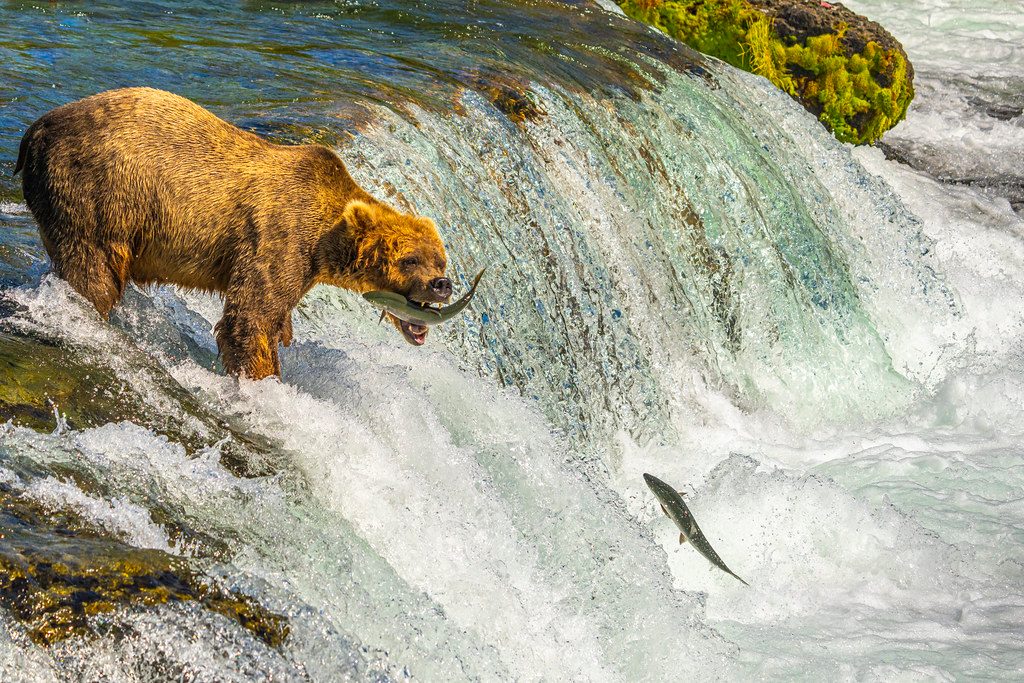
Salmon climb the falls, brown bears wait above the water.
Compare fares, pick the fit — all bookings are mobile-voucher and eligible for free cancellation where shown.
6 hr 30 min
6 hr
4 hr 45 min
| Experience | Duration | Rating | Skip-the-line | Guide | Small group | Free cancel. | Price | |
|---|---|---|---|---|---|---|---|---|
|
Guided Experience
Most popular
Brooks Falls Bear Viewing by Floatplane
|
6 hr 30 min | ★ 4.8 | ✓ | ✓ | ✓ | ✓ | €1336 | Book → |
|
Guided Experience
Brooks Falls Bear Watching Floatplane Adventure
|
6 hr | ★ 4.7 | ✓ | ✓ | ✓ | ✓ | €1297 | Book → |
|
Standard Entry
Wilderness Bear Viewing Flight from Homer
|
4 hr 45 min | ★ 4.7 | — | — | ✓ | ✓ | €1010 | Book → |
They complement each other; most visitors who do both call Lake Clark the more intimate encounter and brooks falls bear viewing the more iconic spectacle.
|
Top pick Brooks Falls |
Lake Clark | |
|---|---|---|
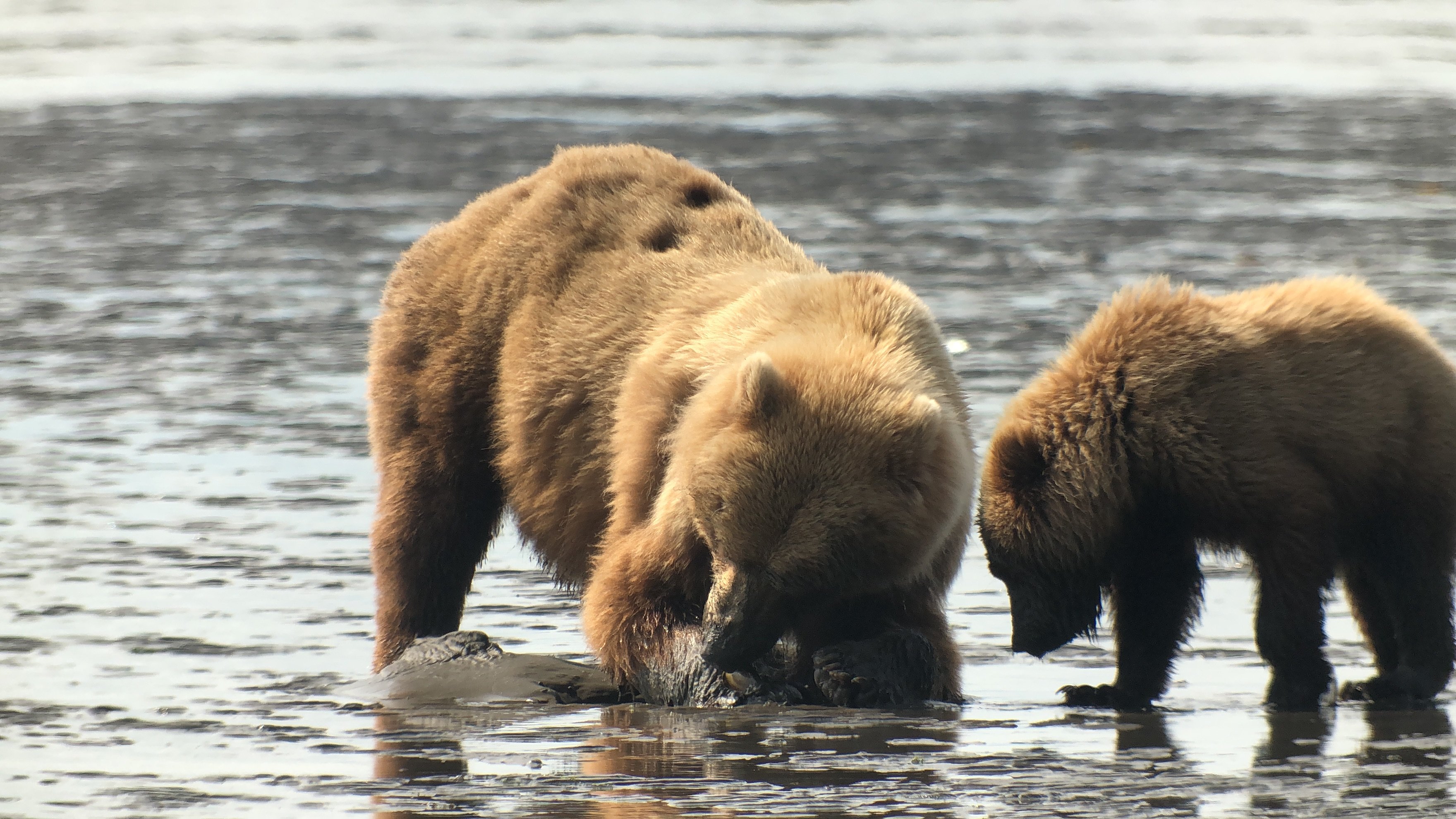
| Primary bear behavior | Salmon fishing at waterfall | Coastal clamming and sedge grazing |
| Viewing infrastructure | Elevated platforms and boardwalks | Wild beach trekking |
| Travel logistics from Anchorage | Commercial flight then floatplane | Direct charter floatplane |
| Crowd density | High traffic near platforms | Low and dispersed |
| Wildlife species diversity | Brown bears and foxes | Brown bears and marine life |
| See tickets & prices |
Verdict: Choose brooks falls bear viewing tours if you prioritize action-packed hunting scenes, or select a lake clark bear viewing tour for solitary, scenic coastal wandering.
Hand-picked experiences loved by thousands of travelers
9 days
Free Cancellation
Journey from coastal fjords to interior tundra, encountering brown bears, marine life, and Denali's peaks
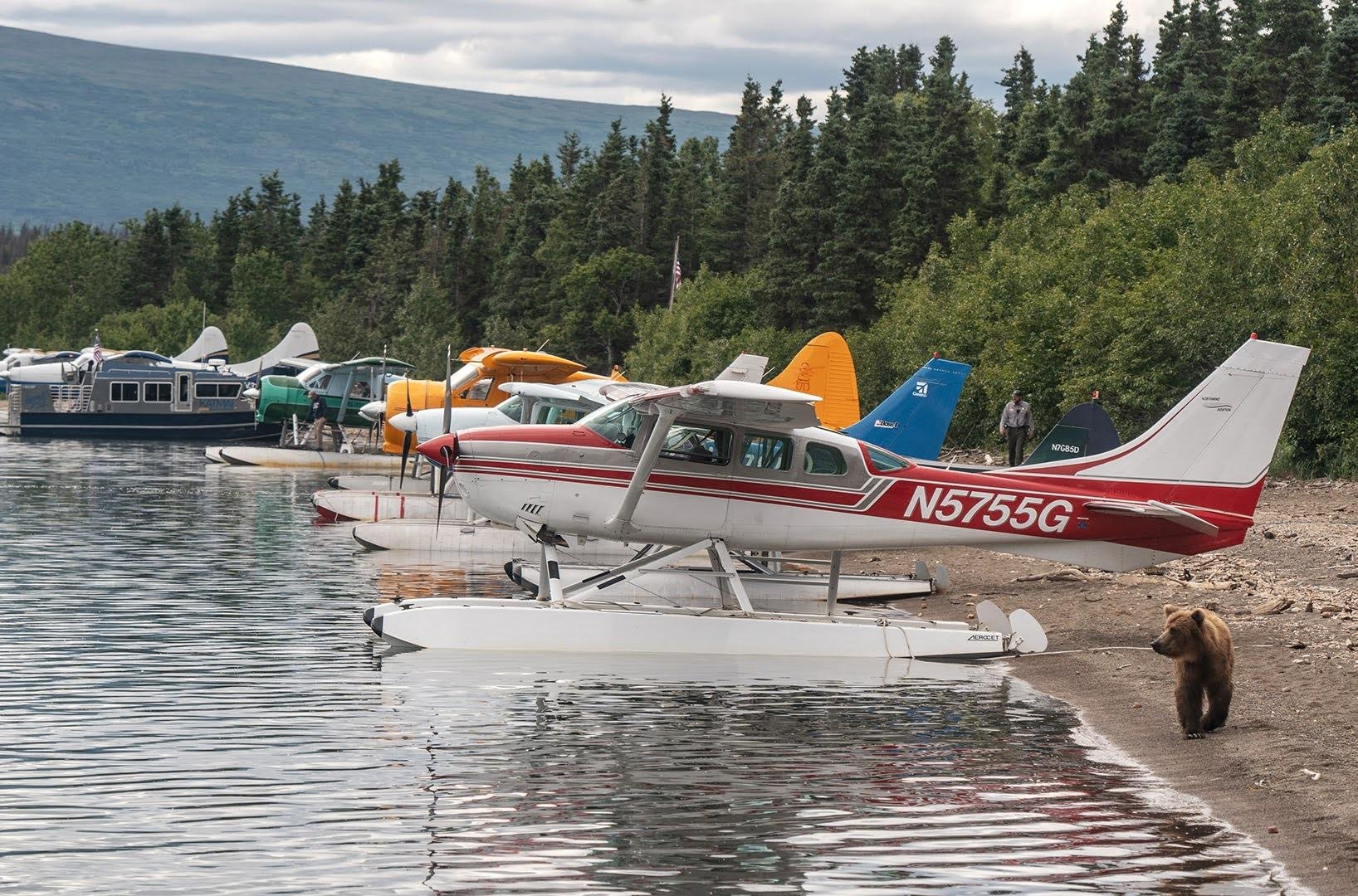
You fly in low over Naknek Lake and the floats touch water in a long hiss of spray. You step onto a gravel beach, and within ninety seconds someone in a flat hat is directing you to the visitor centre for mandatory bear etiquette training. You sit through it. You get the pin.
You shoulder your pack — food goes in the cache, never on the trail — and walk the boardwalk toward the floating bridge. You wait, because a sow and two spring cubs are ambling down the beach and the bridge is closed until they pass. Nobody rushes. You cross, then climb the 1.2-kilometre gravel path to the Falls platform, past signs that ask you to travel in groups and make noise. You round the last bend and hear the water before you see it.
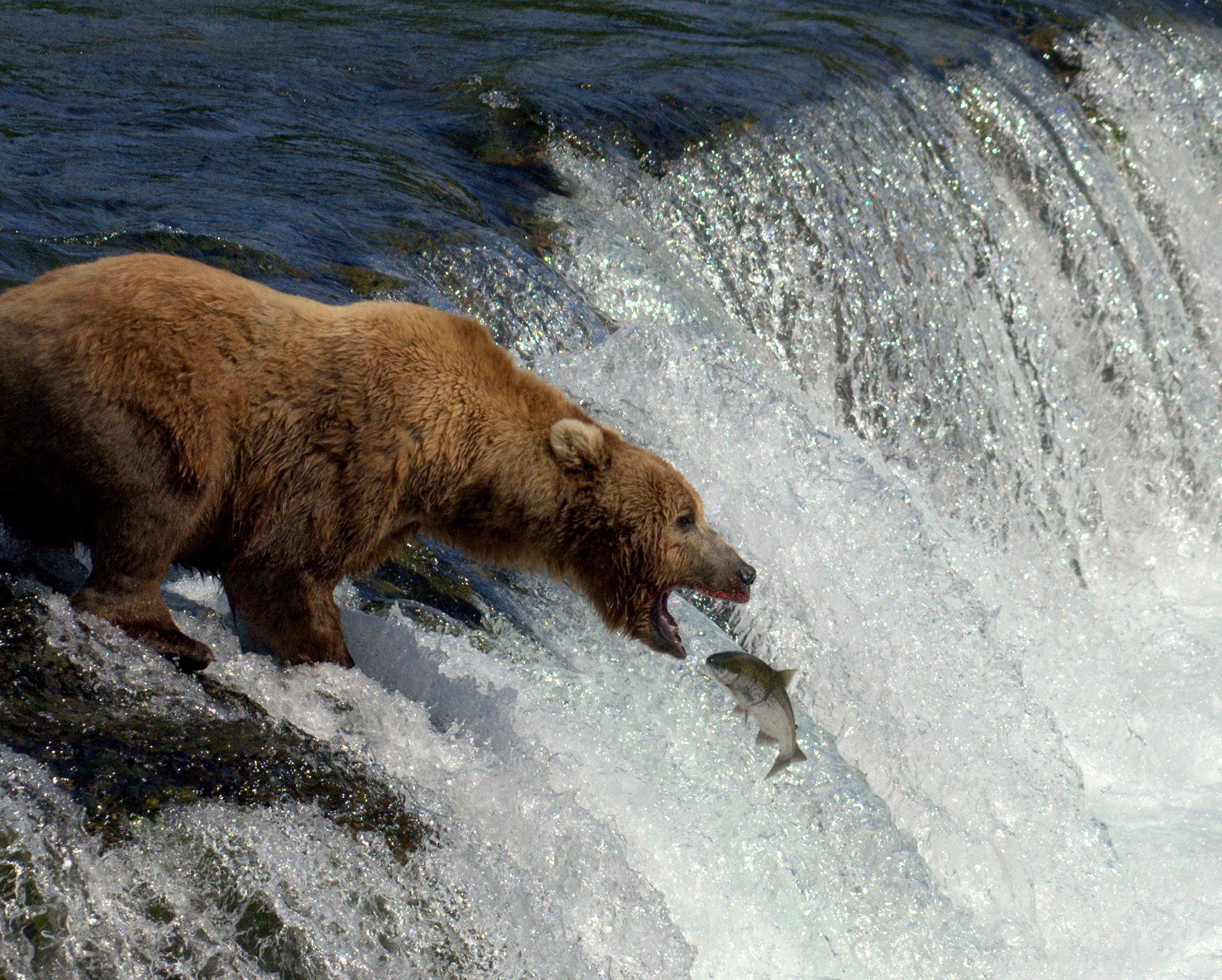
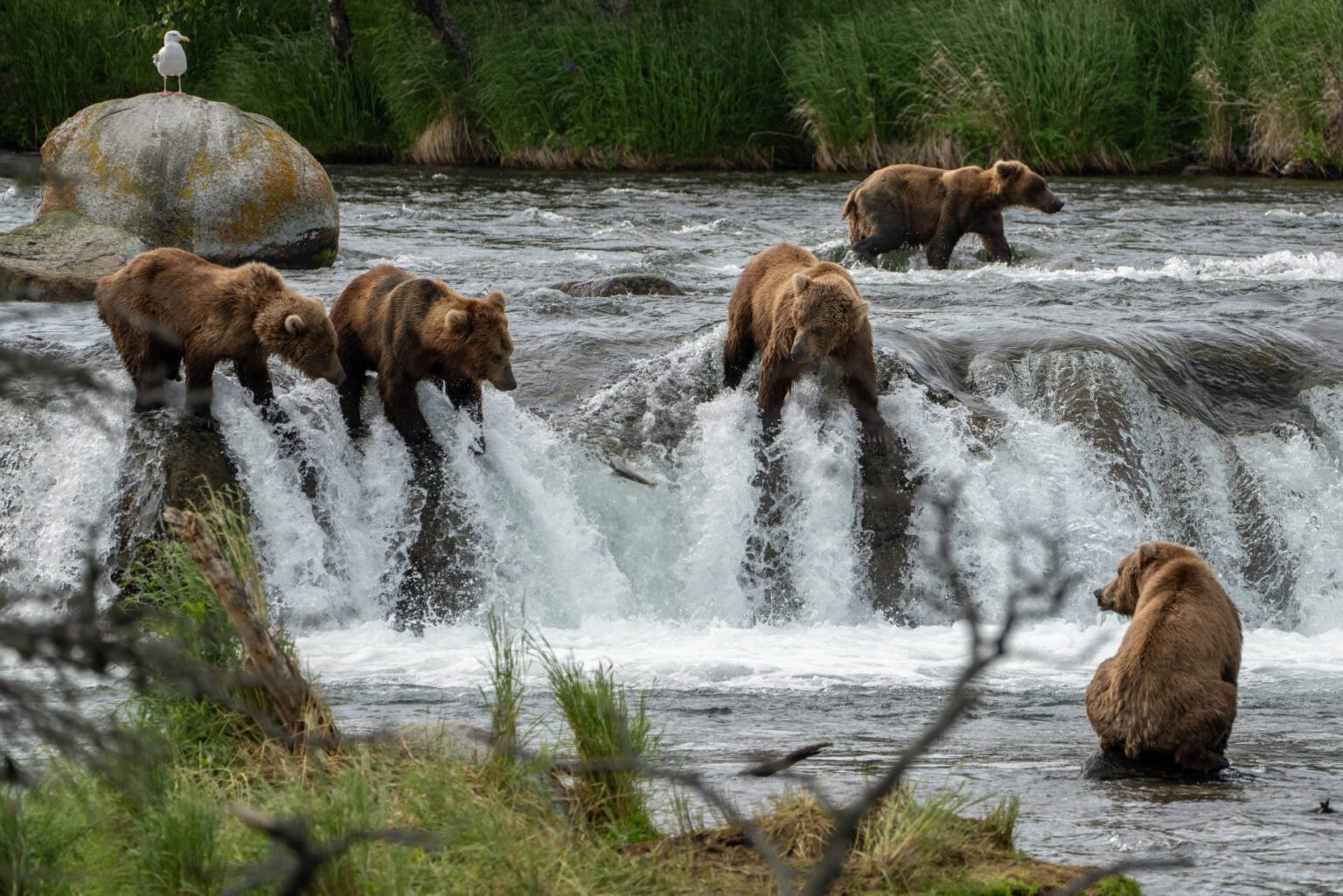
On the deck you find your slot at the rail. You watch a male hold the lip with his jaws open while salmon launch themselves into his mouth. You count nine bears in the frame at once. A ranger quietly logs numbers on a clipboard beside you. When your rotation ends you descend to the Riffles platform, where the fishing is scrappier and closer.
By late afternoon you drift back to the Lower River platform, then to the beach. Arrive between 07:00 and 20:00 for the fullest day. Your brooks falls bear viewing platform time is finite; the walk out never is. You board the plane with wet boots and a card full of frames.
All the details about your upcoming adventure in one place
Brooks Falls bear viewing puts you on elevated wooden platforms above a six-foot waterfall on the Brooks River, where brown bears position themselves at the lip to catch sockeye salmon mid-leap. Reaching the platforms means a floatplane landing on Naknek Lake and a short boardwalk walk past Brooks Camp, so most brooks falls bear viewing tours are structured as full-day flightseeing trips out of King Salmon. Katmai National Park protects roughly four million acres of volcanic backcountry, and the Valley of Ten Thousand Smokes sits within the same preserve.
A single sockeye salmon can leap nearly two metres straight up a wall of falling water — and roughly two million of them attempt the Naknek drainage each summer. That arithmetic explains everything about this place.
Brooks Falls is only about two metres high and some twenty metres across, a modest ledge on a short river between Brooks Lake and Naknek Lake. Its significance is entirely biological: it is the first barrier the salmon cannot simply swim through, and so the fish stack up beneath it in their thousands. Brown bears learned this long before anyone built a walkway.
Katmai was proclaimed a national monument in 1918 to protect the ash-choked Valley of Ten Thousand Smokes, left by the 1912 Novarupta eruption — the largest volcanic event of the twentieth century. Congress redesignated it a national park and preserve in 1980. Bear protection was, at first, almost incidental. Today it is the point. The park holds an estimated 2,200 brown bears, one of the densest protected populations on earth, and the animals here are unhunted and largely indifferent to people.
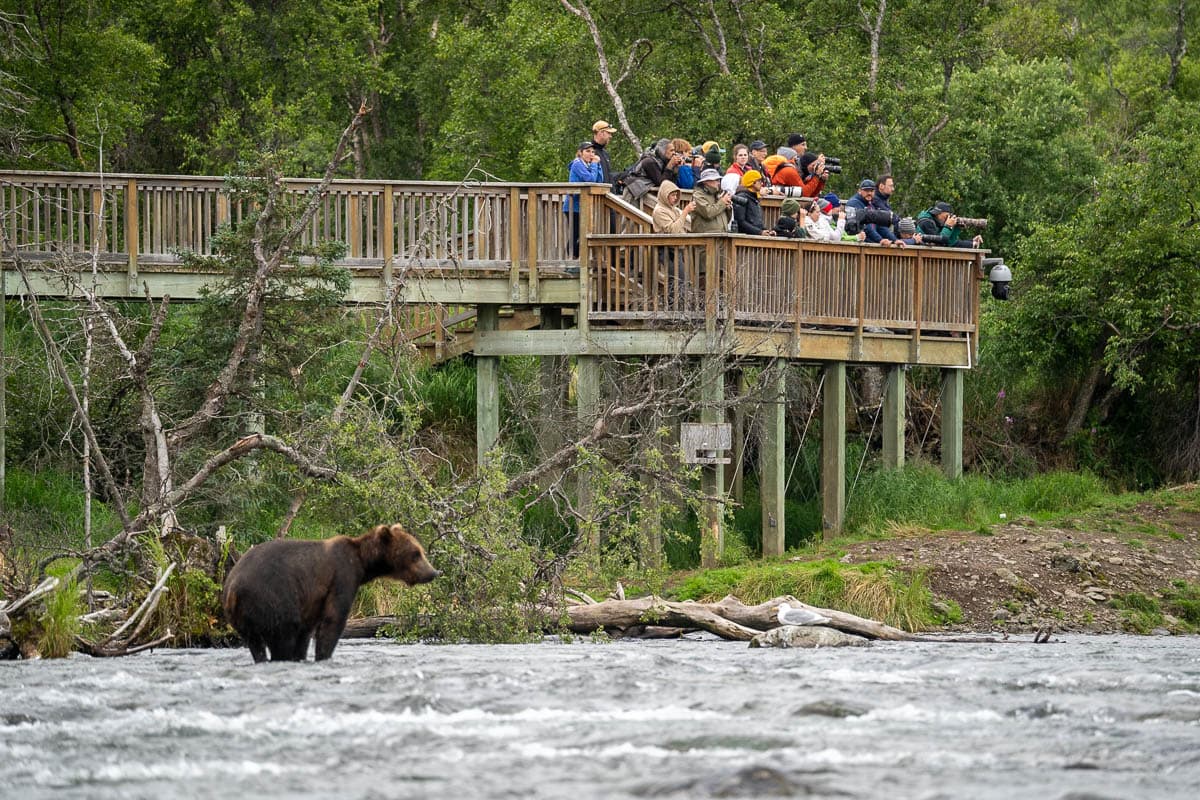
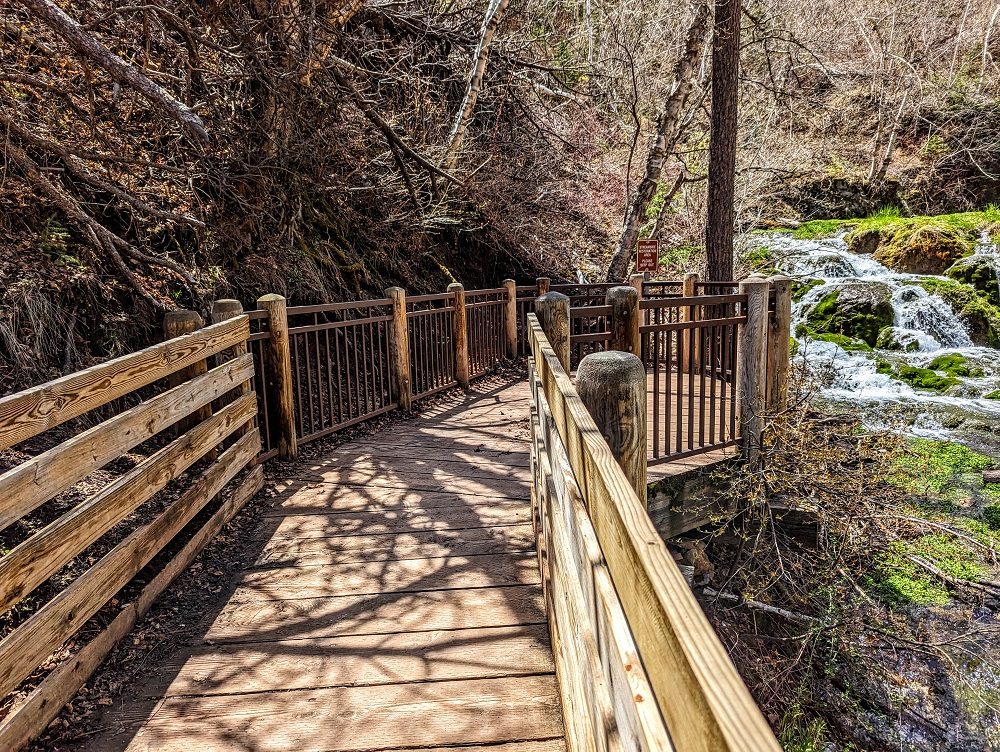
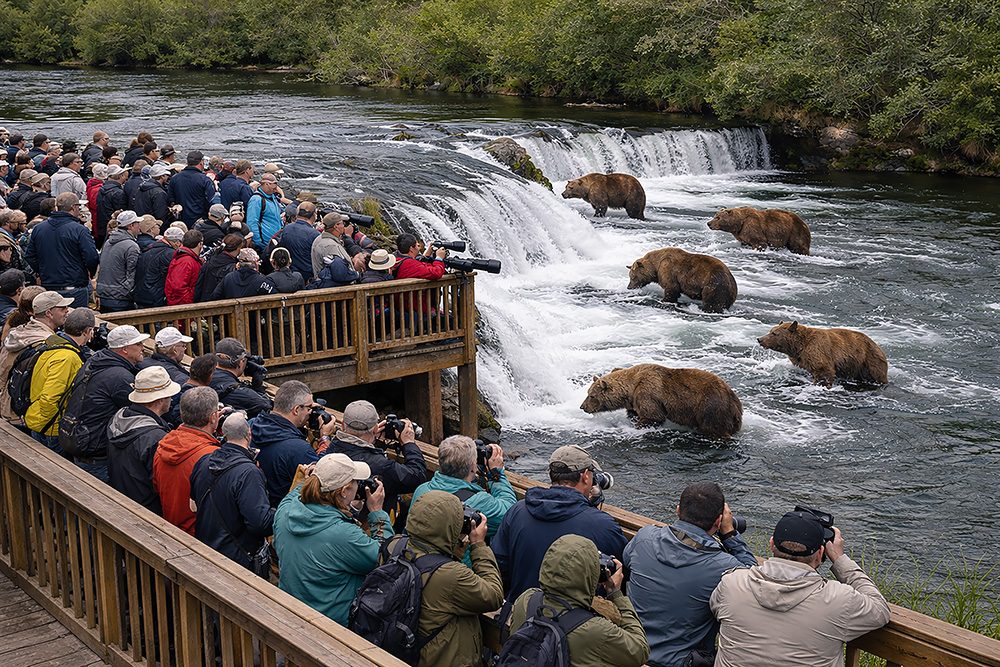
That indifference is the architecture's true design brief. The elevated boardwalks and the brooks falls bear viewing platform system exist to keep humans above and out of the bears' travel corridors rather than to hide them. Three platforms serve different purposes: the Riffles platform, the Lower River platform near the floating bridge, and the Falls platform itself, a timber deck cantilevered over the north bank roughly fifty metres from the lip. Capacity is limited and rotated, which is why nearly every operator selling brooks falls bear viewing tours from Anchorage builds the day around a fixed ground window.
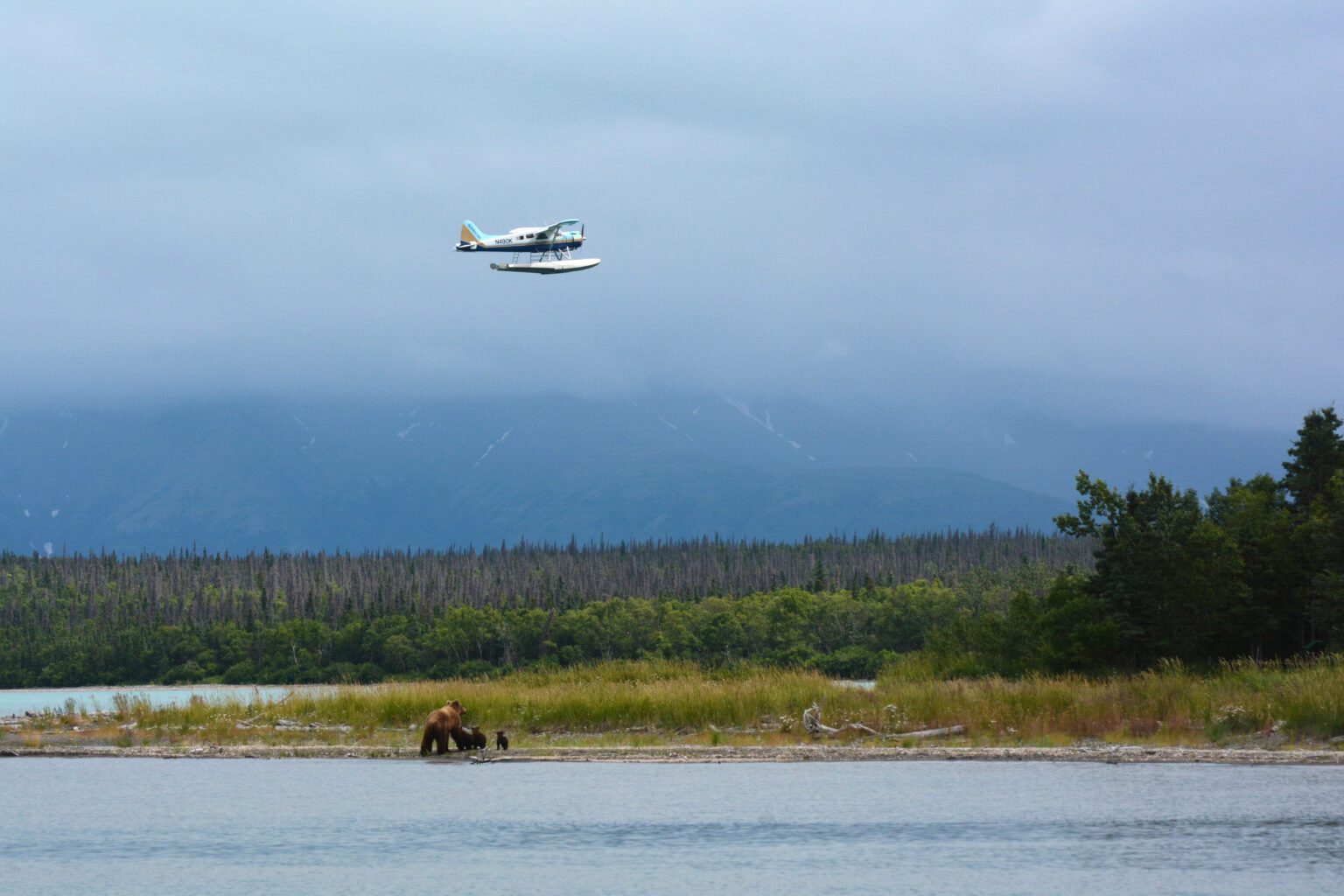
There is no road. Access is by floatplane from King Salmon, and the through-traffic from Homer and Anchorage feeds that single hop. The remoteness is not incidental branding; it is the reason the salmon run remains intact and the reason a brooks falls bear viewing tour costs what it does. Entry to Katmai National Park itself is free — 0 USD, no entrance pass required — so the price of any package reflects aviation and guiding, not admission.
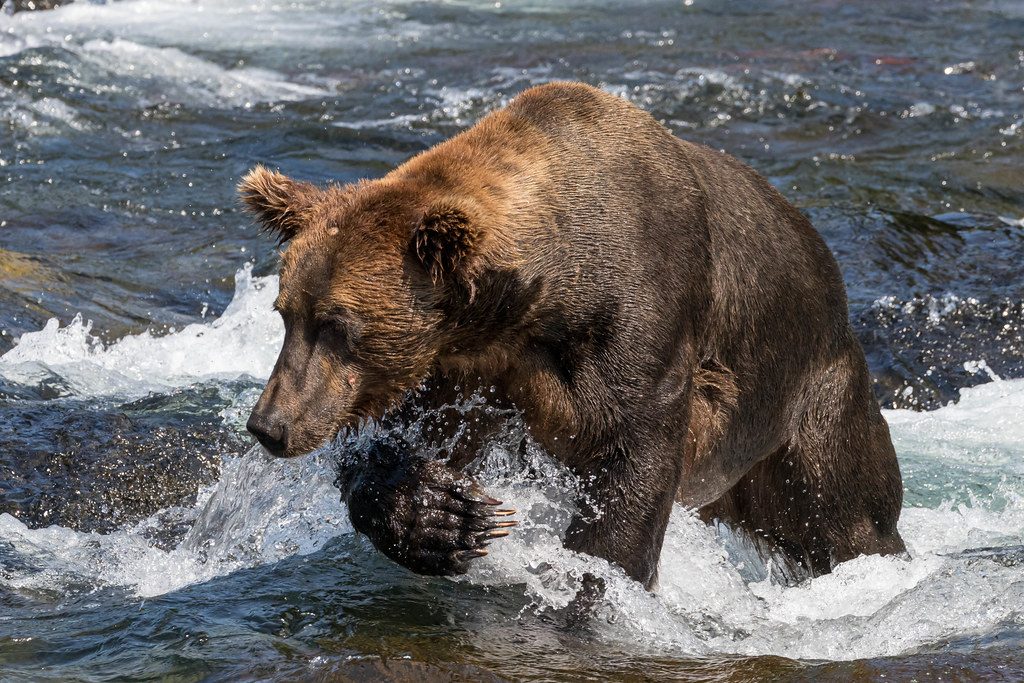
What visitors watch is a hierarchy made visible. Dominant males claim the jacuzzi and the lip, where fish arrive mid-air. Subordinate bears fish the far bank or scavenge downstream. Sows with cubs work the edges. The individual animals are catalogued and numbered, and some — 480 Otis, 128 Grazer, 32 Chunk — have followings measured in the hundreds of thousands thanks to the live cams installed at the falls. Peak salmon run and bear activity typically occur between July and September.
Brooks Camp sits on ground occupied for some 4,500 years; the Brooks River Archeological District is a National Historic Landmark. Fewer than 40,000 people reach it annually. Demand for brooks falls bear viewing consistently exceeds what the boardwalks can hold, which is precisely why the platforms remain small.
Brooks Falls is barely two metres high — its importance is entirely a matter of what cannot get past it.
Wear moisture-wicking layers and waterproof outer gear to handle unpredictable Alaska weather. Sturdy, waterproof hiking boots are recommended for the trails surrounding the brooks falls bear viewing platforms.
Keep all personal items in a small daypack that you can carry yourself. Be aware that you must keep all bags within reach at all times to prevent bear curiosity.
Use your camera on the designated wildlife viewing platforms to capture brooks falls bear viewing moments safely. Always tether small equipment like batteries or lens caps to your body to prevent them from falling through the platform gaps.
Children are welcome, but parents must ensure they stay close at all times. All visitors, including children, must attend the mandatory bear safety briefing at the start of their brooks falls bear viewing tour.
The trail to the falls is mostly flat, consisting of maintained paths and elevated boardwalks that support wheelchair access. Staff can provide guidance on the most manageable routes for those with limited mobility.
All food must be stored in bear-resistant containers or the designated food caches at Brooks Camp. Never eat outside of authorized areas, as this can attract wildlife and compromise the safety of your brooks falls bear viewing experience.
Operating Hours
00:00–23:59
Address
Brooks Camp, Katmai National Park & Preserve, Alaska
Accessibility
Elevated boardwalks provide accessible bear viewing platforms.
Best arrival window
07:00–20:00
Storage
Food must be secured in designated cache areas.
Air · 60-90 minutes · Varies by operator.
Floatplanes depart from King Salmon, Anchorage, or Homer to Brooks Camp.
Full payment is typically required at the time of booking for most third-party brooks falls bear viewing tours. Please verify specific refund windows directly with your chosen air charter operator.
Recommended time
3-5 hours
Navigating brooks falls bear viewing during peak months requires patience due to high visitor volume at the main viewing platform. When capacity reaches 40 people, rangers manage a queue system that limits your time on the primary platform to 30 minutes, allowing others to cycle through this popular Alaska landmark. You can join the waitlist multiple times or explore the nearby Riffles platform, which offers continuous access without a specific time-restricted slot. Most travelers find that alternating between platforms provides a better flow for their brooks falls bear viewing tour, ensuring plenty of opportunity to observe the local salmon run. To maximize your day, check in with rangers immediately upon arrival to secure your place in line for brooks falls bear viewing tickets if a queue is active.
Crowd levels through the day
Weather · crowds · average price — dots go green to amber to red as each metric rises.
Peak sockeye salmon runs in July bring the highest number of brown bears to the river. Expect busy platforms but high chances of witnessing legendary fishing behavior during your brooks falls bear viewing tour.
Always keep a lookout for bears on the trails between platforms, as they frequent these paths too.
Brooks Camp, Katmai National Park
Check in for safety orientation.
Get directionsHuman presence at Brooks River is old. Archaeologists have documented occupation stretching back roughly 4,500 years, and the Brooks River Archeological District was designated a National Historic Landmark in 1993 for its density of house depressions along the terraces. Alutiiq and Dena'ina ancestors built semi-subterranean dwellings above the same rapids where salmon still stall today. The river was a fishery long before it became a spectacle, and that continuity underlies the modern practice of brooks falls bear viewing. The 1912 Novarupta eruption redrew the region. Ash buried the Ukak valley, and Robert Griggs, leading National Geographic Society expeditions from 1915, named the Valley of Ten Thousand Smokes. His advocacy produced Katmai National Monument in 1918 — created for volcanic geology, not for brown bears. Ray Petersen established Brooks Camp in 1950 as a sport-fishing lodge under a federal concession. Bears were then regarded as an inconvenience. The reversal came slowly. The elevated platform system was introduced in the 1980s to separate anglers and visitors from bears at the falls, and the floating bridge replacing the river crossing arrived in 2019 after decades of contention over its placement. Katmai's redesignation as a national park and preserve in 1980 under ANILCA formalized the shift. Archaeologists have objected that visitor infrastructure sits atop the landmark district; that dispute is unresolved. What survives is layered. The 1950s lodge core, the excavated village sites, the platforms, and the salmon run itself all occupy a few hundred metres. Explore.org's live cameras, streaming since 2012, turned a remote Alaskan river into a global audience event, and demand for brooks falls bear viewing tickets and guided access followed. Katmai charges no entrance fee, and the park is open continuously, though brooks falls bear viewing tours are governed by the practicalities of floatplane access from King Salmon rather than by any gate.
Ancestral Alutiiq and Dena'ina peoples establish seasonal settlements along the Brooks River terraces.
The Novarupta eruption buries the neighbouring Ukak valley in volcanic ash and pumice.
Katmai National Monument is proclaimed to protect the Valley of Ten Thousand Smokes.
Ray Petersen opens Brooks Camp as a sport-fishing lodge under federal concession.
ANILCA redesignates Katmai as a national park and preserve.
Elevated viewing platforms are built to separate visitors from bears at the falls.
The Brooks River Archeological District is designated a National Historic Landmark.
Live-streaming cameras launch and a floating bridge replaces the contested river crossing, expanding the brooks falls bear viewing tour audience worldwide.
This elevated structure provides a direct, head-on perspective of the primary cascade where salmon leap. Position your lens along the railing to capture wide frames of the falls or tighter shots of ursine hunters waiting in the rushing water. Space is managed by park rangers, and you may find brook falls bear viewing tours utilizing this vantage point during peak activity.
Located downstream, this area offers a different angle that is excellent for photographing bears as they traverse the gravel bars or hunt in the shallower pools. It is a preferred spot for those who have secured brooks falls bear viewing tickets and want to observe natural, less-disturbed behavior at water level.
This stretch of the river allows for capturing dynamic action shots as bears navigate the moving currents and chase fish outside the main waterfall zone. Photographers often use faster shutter speeds here to freeze the motion of splashing water and lunging wildlife during a brooks falls bear viewing tour.
Real experiences from real travelers
The float from King Salmon dropped us on the beach in drizzle and by mid-morning the sun had burned it off. Nine bears were working the falls at once, and the sound of the water almost drowns out the gulls. Brooks Falls bear viewing lived up to every photo I had seen, and the platform rangers rotate people through fairly.
The sockeye run was thick and the fish were launching themselves into the rock face over and over. I stood in a light rain for two hours and did not notice the cold until my hands stopped working. Bring more layers than you think, the wind off Naknek Lake bites.
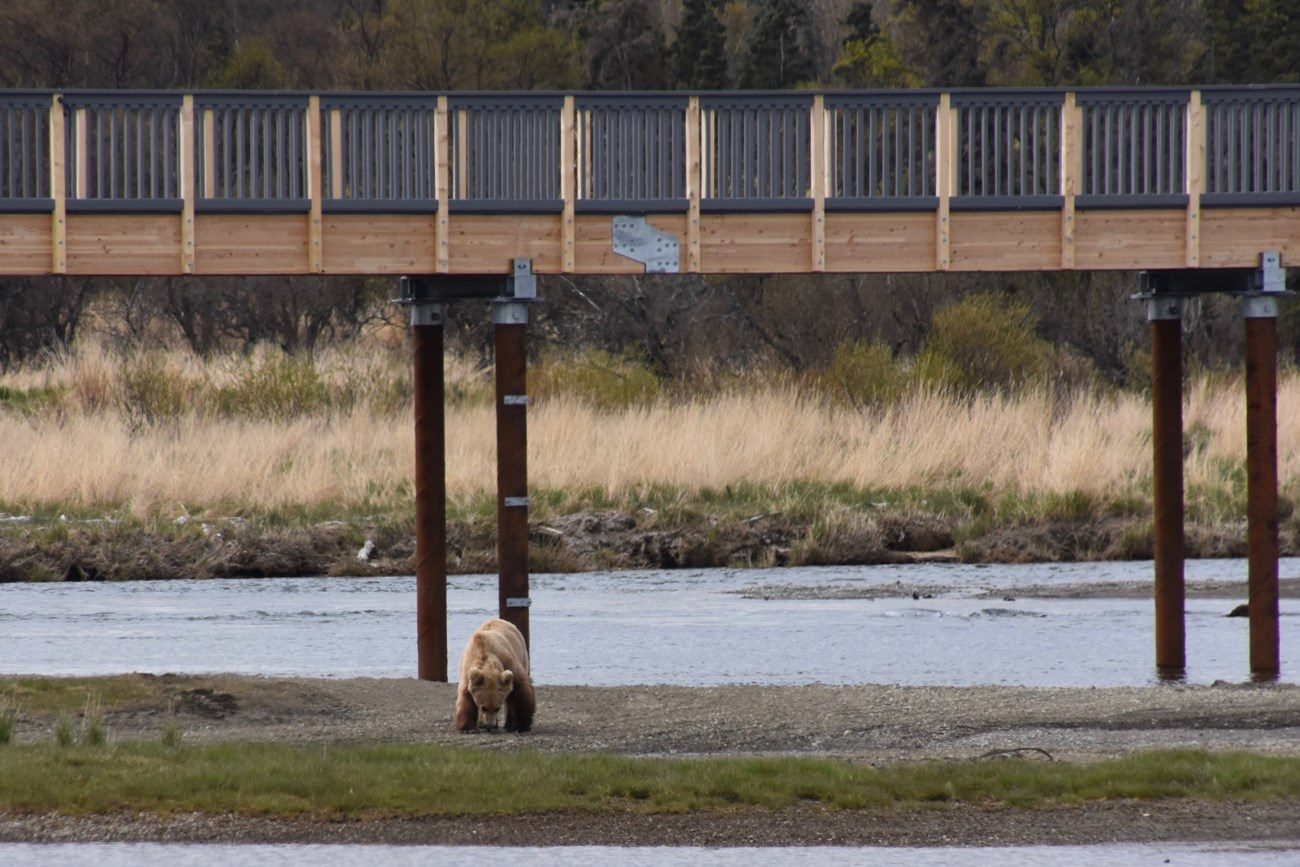
We booked one of the brooks falls bear viewing tours out of Anchorage and the floatplane leg alone was worth the fare. A sow with two cubs fished the lower river right under the floating bridge while we waited on the platform. The bear safety talk at Brooks Camp is short but they mean every word of it.
Early season so the falls were quieter than the photos suggest, only three or four bears at the jacuzzi pool. The platform has a time limit when a queue forms, which is fair though it does cut a good sighting short. Still, watching a large boar hold the lip while gulls picked scraps off the foam was the highlight of our Alaska trip.
Standing on the wooden deck at seven in the morning with fog sitting on the Brooks River is something I keep replaying. A bear waded past close enough that I could hear it breathing over the falls. Our brooks falls bear viewing tour guide knew every bear by number and told us which ones were dominant that week.
Came in shoulder season expecting little and got a quiet river, low light, and two young bears sparring in the shallows. The Katmai brown bear viewing experience is completely different without the July crowds, more patient and slower. Naknek Lake was glassy at sunset and the whole camp smelled like wet spruce.
We sorted our brooks falls bear viewing tickets months ahead because the floatplane seats vanish quickly. Even in poor weather the sockeye salmon were stacked so densely in the current you could see them from the bridge. The elevated platform keeps you well above the action while still feeling close.
Late in the season the falls had fewer fish but the bears were bigger and fatter, working the lower river instead. Dumpling Mountain had snow on it and the light stayed golden for hours. A Katmai National Park bear tour is not cheap, but nothing else puts you this close to wild brown bears safely.
Rained sideways for most of our stay and the wooden walkways were slick. Even so, the brown bears at Brooks Falls did not care about the weather and neither did the salmon. Pack waterproof trousers, the bench seating stays wet all day.
Visited well outside the peak run and had the Brooks River mostly to ourselves, with a single bear tracking the far bank in flat grey light. Katmai bear watching in the off months rewards patience more than luck. The rangers were generous with their time when the platform was empty.
Everything you need to know for your journey
Katmai National Park is open year-round with 24-hour access, though bear activity is highest during summer months.
There is 0 USD entrance fee for Katmai National Park; no entrance pass is required.
Book your brooks falls bear viewing tickets up to six months in advance for the peak July season.
No, food is strictly prohibited at the viewing platforms to ensure safety and prevent bears from associating people with food.
Yes, families are welcome, provided everyone attends the mandatory safety briefing included in most brooks falls bear viewing tours.
Policies vary by provider, but many require full payment at booking; confirm details directly with your tour operator.
Access is strictly via floatplane or boat from hubs like King Salmon, as there are no roads to the park.
Wear waterproof, layered clothing and sturdy hiking boots, as the Brooks Camp environment is often cold and wet.
No, the use of drones is prohibited to protect the wildlife in the area during your visit.
A vast volcanic landscape formed by a major 1912 eruption.
Full-service lodge with meals and comfortable rooms.
Join thousands of happy travelers who have discovered this incredible experience
Book Your Experience Now